The Art of Persuasion
How design is a double edged sword in politics.

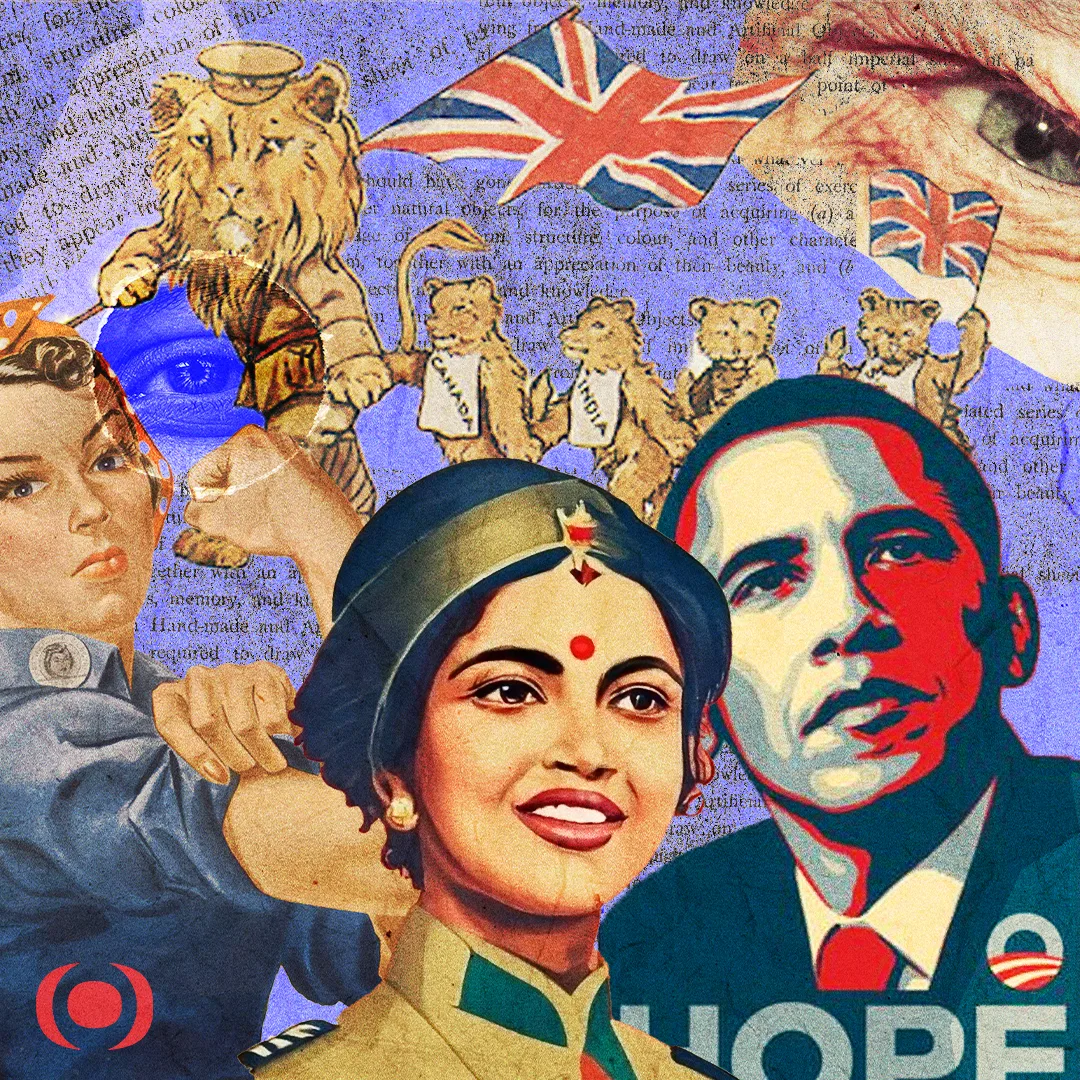
Design in politics is more than just an aesthetic choice — it’s a powerful tool for persuasion and influence. Whether through the strategic use of symbols, colors, or innovative systems design, the visual elements of a political campaign can profoundly impact public perception, rally support, and even change the course of history. This article explores how design influences politics, with key examples like Barack Obama’s “Hope” poster, the “I Want You for U.S. Army” recruitment poster, and the broader role of design in enhancing political communication, engagement, and inclusivity.
One of the most iconic examples of political design is Barack Obama’s “Hope” poster from the 2008 U.S. presidential campaign. Designed by Shepard Fairey, the poster’s simplicity and emotional appeal made it an instantly recognizable symbol of Obama’s message of change. The use of red, white, and blue colors reinforced Obama’s identity as a candidate for all Americans, transcending racial and political divides. This design became more than just a campaign tool; it was a cultural icon that inspired a sense of possibility and unity among voters.
Similarly, the “I Want You for U.S. Army” poster, featuring Uncle Sam pointing directly at the viewer, is a classic example of impactful political design. Created during World War I, its directness and personal appeal made it highly effective in recruiting soldiers. The use of patriotic colors and a simple, powerful message created a sense of urgency and duty, demonstrating how design can be used to motivate and mobilize people for a cause.
Symbols and colors are at the heart of political design, serving as potent tools for communication. Symbols condense complex ideas into simple, recognizable images that can evoke strong emotional responses. For instance, symbols like the hammer and sickle or the peace sign have become synonymous with entire movements and ideologies. Colors, too, carry significant weight in political design. Red might evoke passion and revolution, while blue often suggests stability and trust. The strategic use of colors can subtly influence how political messages are received, helping to create a visual identity that resonates with voters.
Beyond individual campaign elements, systems design plays a crucial role in modern political campaigns. It involves creating an integrated approach to managing voter outreach, media strategy, and data management. By designing these systems to be efficient, scalable, and responsive, political campaigns can better manage the complexities of voter engagement and communication. This approach is particularly relevant in the digital age, where data-driven strategies can be a game-changer in close elections.
Design also has the potential to drive social innovation in politics. Initiatives that simplify access to government services through user-friendly apps or that use visual storytelling to raise awareness about social issues can lead to greater civic engagement and more informed voting. Design for social innovation can bridge gaps in understanding complex political issues by making information more accessible and engaging, ultimately contributing to a more informed and active citizenry.
In conclusion, design is a critical component of political communication, capable of shaping public opinion, rallying support, and influencing election outcomes. From iconic posters and symbols to systems design and social innovation, the visual elements of political campaigns are powerful tools for engaging and mobilizing voters. As politics continues to evolve in an increasingly visual world, the role of design will only grow more significant, offering new ways to connect with voters and create a more informed, engaged, and participatory democracy.
From the Desk of Mirrorless Creatives